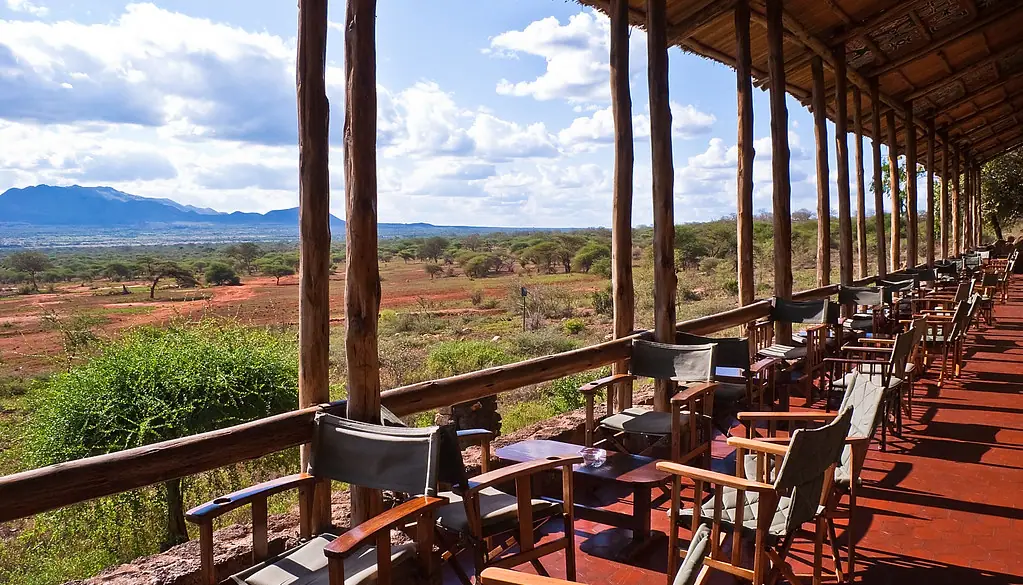
Photo by www.hickey-fry.com — CC BY 2.0
Hotels in parks — the ones that are actually inside the boundary
Search results call almost anything within an hour’s drive a park lodge. We test every property’s coordinates against the gazetted boundary and publish what comes back, with the measured distance to the gate that serves it.
Try “Ol Tukai”, “Kicheche”, “Tsavo” or “campsite”
Every hotel in parks we have mapped, on the right side of the line
Green sits inside a gazetted boundary. Orange sits outside it. Search, filter, or click a protected area to fly to it — the list beside the map stays in step.
423 named places plotted from 1,129 extracted across 20 protected areas on 19 August 2026. Nearby places are capped at the 20 closest per area, so 643 further “outside” places were found and are not drawn here. Positions and names come from © OpenStreetMap contributors under ODbL. OpenStreetMap is reliable on name and position and thin on everything else, so treat this as a candidate inventory we are still verifying, not a finished listing — how we check each one. One caveat carried through: the Lewa boundary had a single bridged gap, so a place sitting right on that segment could be misclassified.
One word — inside — changes the fee, the timing and the rules
A protected area is a line drawn by a gazette notice. Everything about a stay follows from which side of it you sleep on, and almost nobody uses the word accurately.
The best light, or the drive to it
Inside, the first game drive starts where the animals already are. Outside, it starts with a transfer in the dark and a queue at a barrier. Over three days that is most of a day of driving.
Nairobi National Park, in one figure
Two properties fall inside the boundary. Four hundred and six more sit within six kilometres of it, and search results present all of them as the same thing.
Gate fee or bed-night fee
A national park charges entry per person for a validity period. A conservancy charges a bed-night fee to the landowners — and usually permits the night drives and walking the park next door prohibits.
Hotels in parks, reserves and conservancies — area by area
Counts below are live extraction figures, not estimates. The full Kenya index, including the protected areas where nothing sleeps inside, is on the country page.
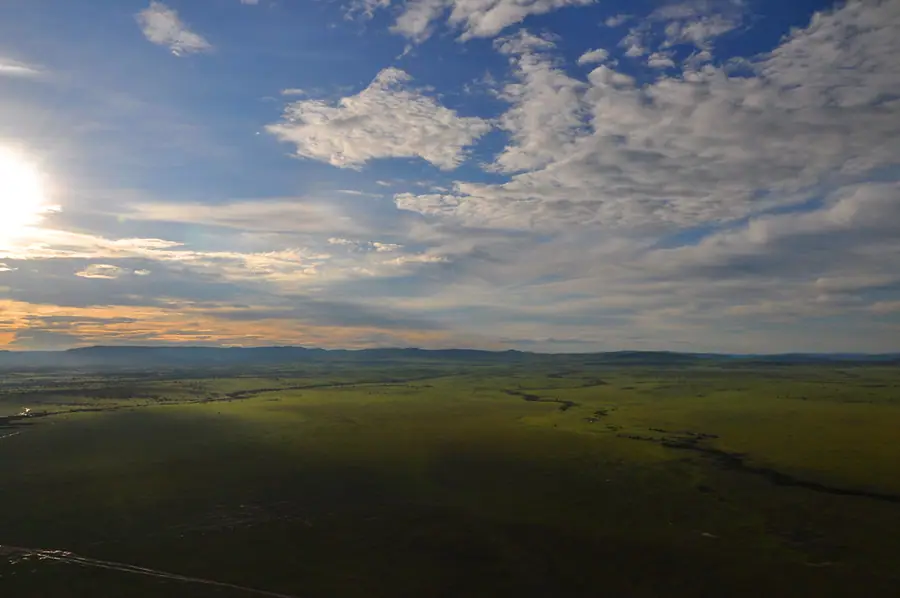
Maasai Mara National Reserve
National Reserve · Greater MaraReserve, Mara Triangle and 22 conservancies share one search term. The camps are on three different kinds of land.
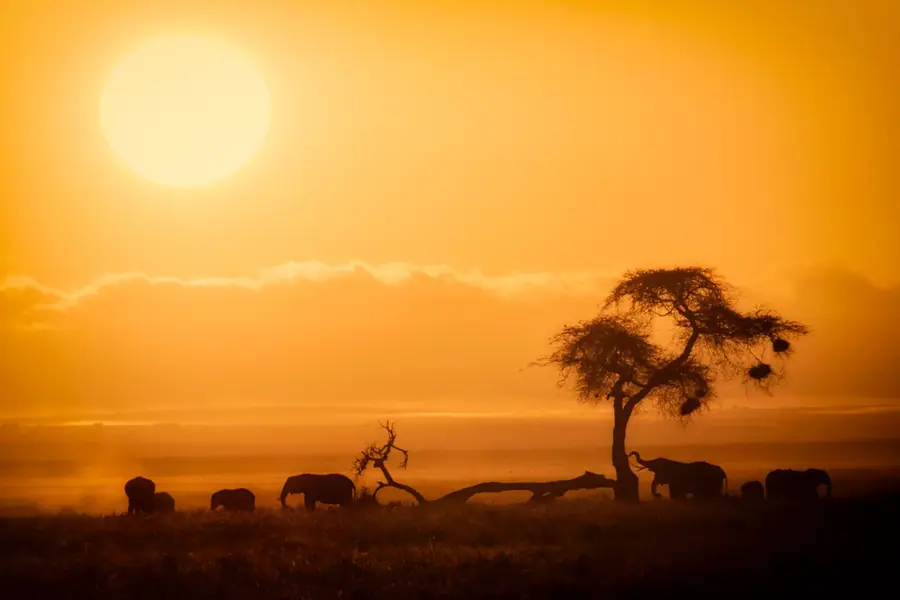
Amboseli National Park
National Park · Amboseli–KilimanjaroA short list of properties stands inside the park. Most results labelled Amboseli sit on Kimana, Selenkay or group-ranch land.
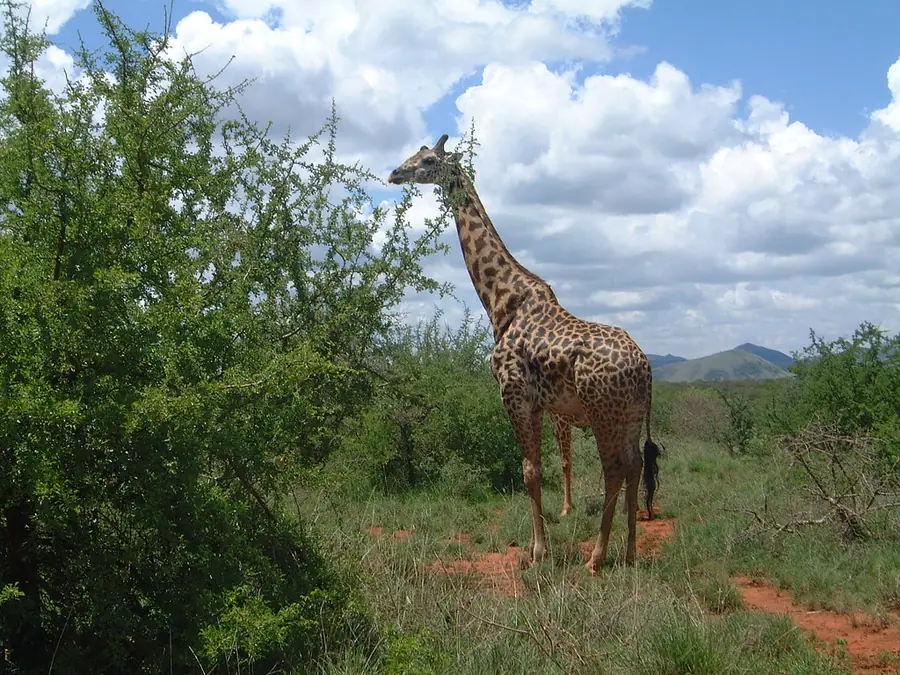
Tsavo East National Park
National Park · Tsavo Conservation AreaTwo in-park lodges can sit three hours apart on internal tracks. Sector matters more here than anywhere else in Kenya.
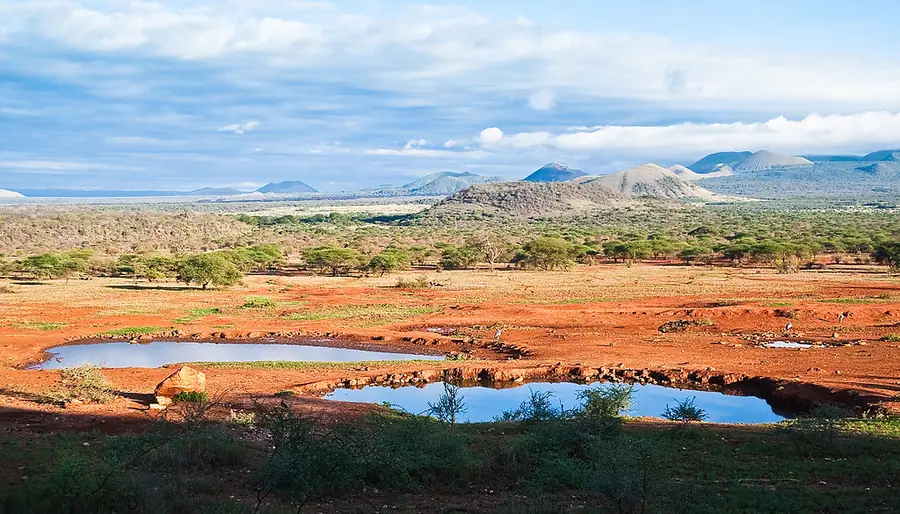
Tsavo West National Park
National Park · Tsavo Conservation AreaIn-park lodges sit on volcanic ridges near Mzima’s year-round water. Several sold as Tsavo West are on Taita ranches outside.

Samburu National Reserve
National Reserve · Ewaso Ng'iroCamps sold as Samburu frequently stand in Buffalo Springs or Shaba — three reserves, two county authorities, one river.
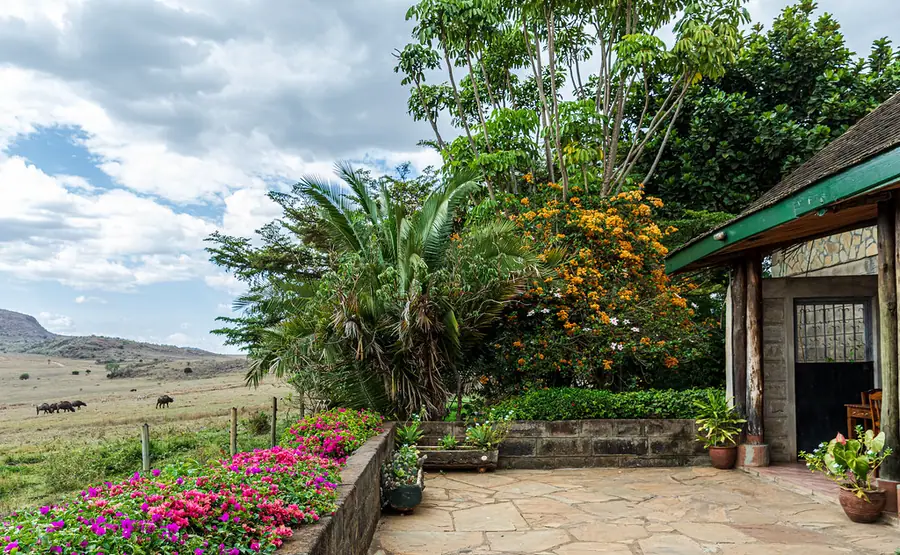
Lake Nakuru National Park
National Park · Central Rift lakesNakuru’s street grid runs up to the northern fence. A hotel two minutes from the gate is still a hotel in a city.

Nairobi National Park
National Park · Athi–Kapiti plainsThe clearest case on the site: two properties inside the boundary, several hundred within six kilometres of it.
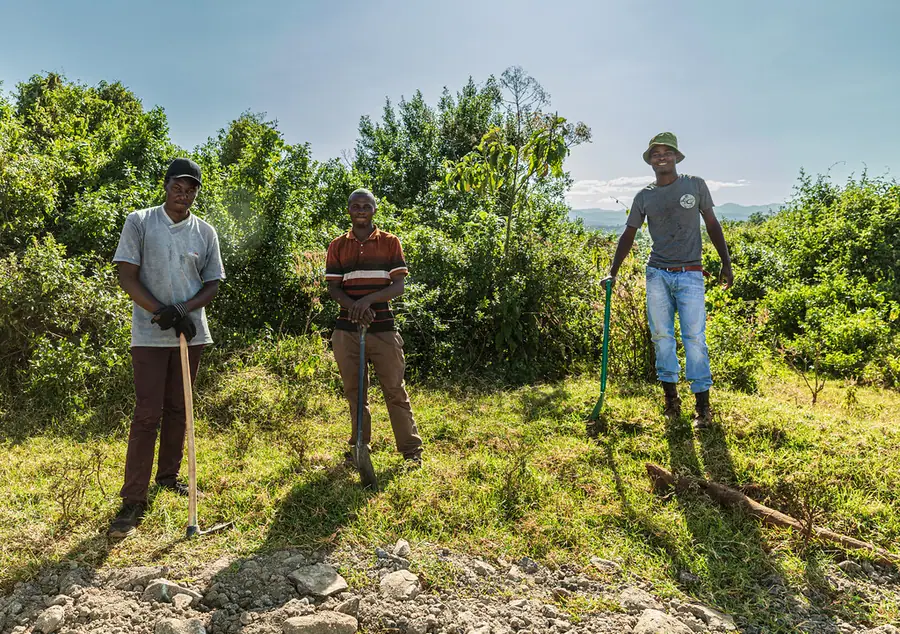
Aberdare National Park
National Park · Central HighlandsKenya’s original tree-hotel format — properties built over waterholes in the Salient, reached by transfer from outside the gate.
Meru National Park
National Park · Meru Conservation AreaVery few beds inside and no town on the edge, so in-park against near-park is twenty minutes against two hours.

Mount Kenya National Reserve
National Reserve · Central HighlandsThree things get called accommodation here: forest-zone lodges inside, trekking huts on the routes, and hotels in Nanyuki that are not in it.
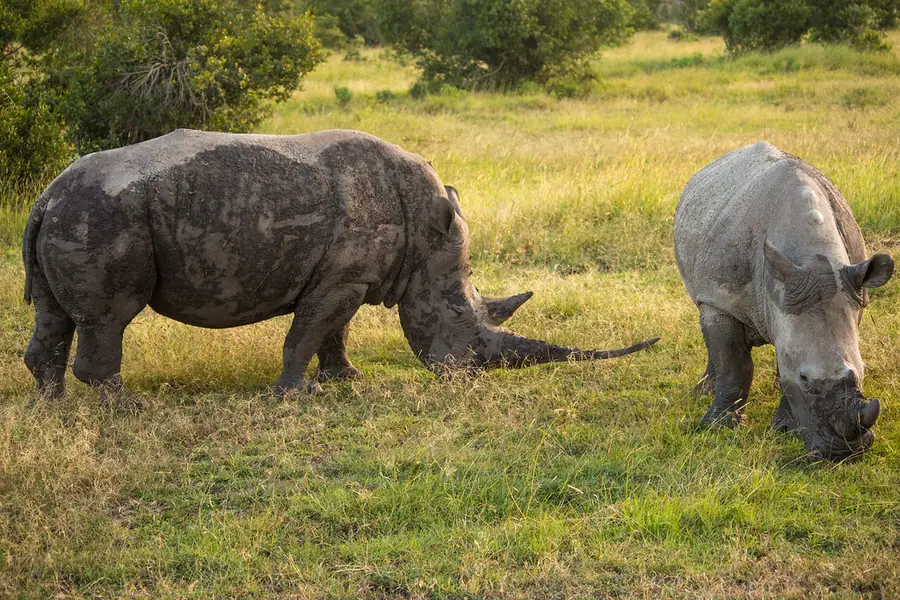
Ol Pejeta Conservancy
Private conservancy · LaikipiaA conservancy rather than a national park, which puts night drives, lion tracking and guided walking on the table here.
Lewa Wildlife Conservancy
Private conservancy · Laikipia–SamburuBeds are capped deliberately, so available and exists are different questions. The in-boundary set is fixed and countable.
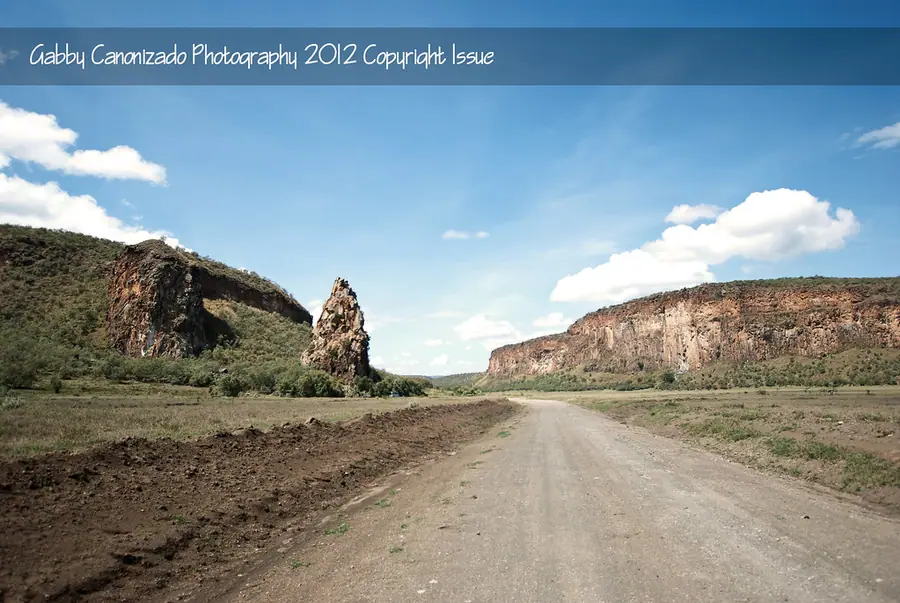
Hell's Gate National Park
National Park · Central RiftCampsites inside and essentially no lodges, so nearly every Hell’s Gate hotel result is a Lake Naivasha property.
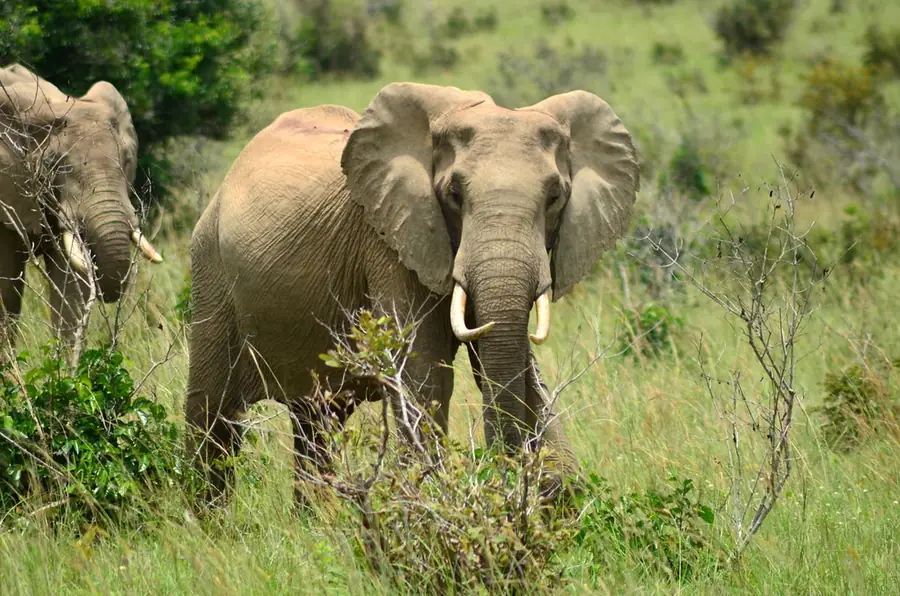
Shimba Hills National Reserve
National Reserve · South CoastForty minutes inland from Diani: the one place in Kenya to pair a beach stay with a night inside a coastal forest.
Three genuinely different ways to sleep near a Kenyan park
Search results rank them as one list by price. None is best; each is best for a different trip. Switch between them.
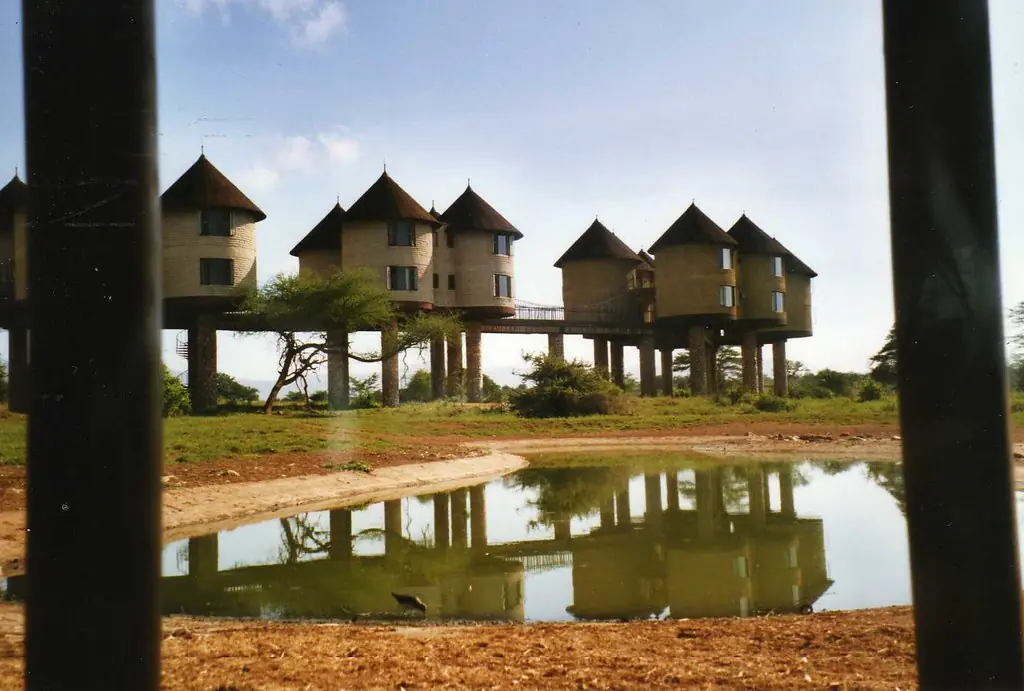
Photo by wallygrom — CC BY-SA 2.0
You wake up where the animals already are
The first hour of light is spent driving rather than transferring, and the last hour before dark does not have to be budgeted for getting back out through a gate. On a trip built around one park, that is most of what the premium buys.
You pay entry on the park’s own basis for every day of the stay, usually on top of the room rate, and you accept the park’s rules — in most Kenyan national parks that means no night drives, no walking and no leaving the tracks.
- Fee basis
- Gate entry, per person
- Night drives
- Generally not permitted
- Walking
- Generally not permitted
- Mapped inside
- 210 properties

Photo by makeitkenya — Public Domain Mark
The same wildlife, a different rulebook
An unfenced line the lions cross freely and the rules do not. Night drives, guided walking and off-road driving are commonly permitted, and many conservancies cap beds per acre under the lease — so vehicle numbers at a sighting are contractual rather than lucky.
You pay a bed-night fee that goes to the landowning families rather than a gate fee to an authority. If you also want to enter the neighbouring national park or reserve, that entry is a separate payment on a separate basis.
- Fee basis
- Bed-night, to landowners
- Night drives
- Commonly permitted
- Walking
- Commonly permitted
- Kenya total
- 167 conservancies
Cheaper, comfortable, and often the sensible answer
Materially cheaper per shilling, frequently more comfortable, and the right call more often than the industry admits — a one-night stop on a longer route, a family that will not manage a five-thirty start, or a trip where the park is one item among several.
The cost is structural rather than financial: a fresh entry payment for each day you go in, a transfer in the dark at both ends, and a gate queue at the hour when the light is best.
- Fee basis
- Fresh entry, every day
- Dawn start
- Gate opening, not first light
- Typical saving
- Real, but check the fees
- Mapped nearby
- 919 places
Six location statuses, and every property gets exactly one
This is the whole product. It is why we will sometimes tell you a famous camp is not where you think it is, and why we keep a public list of the ones we cannot yet place.
Inside
The property footprint falls within the gazetted boundary of the area named. Established by testing its coordinates against the boundary polygon.
Inside an adjoining area
Inside a protected area, but not the one you searched for — a Mara conservancy camp, or a lodge in Buffalo Springs rather than Samburu.
Gate-adjacent
Outside the boundary, within roughly five kilometres of a named gate. We publish the road distance rather than the phrase “close to the park”.
Dispersal area
Outside the boundary, roughly five to twenty-five kilometres out, still inside the ecosystem the wildlife uses. Often excellent, rarely what “in the park” means.
Gate town
Outside the ecosystem, in a settlement. A genuine and often sensible base — Nakuru, Nanyuki, Voi, Naivasha — and never described here as being in a park.
Unverified
Coordinates missing, disputed, or the name resolves to more than one place. We publish these with the reason rather than quietly filing them under the nearest park.
Questions people ask about hotels inside parks
Short answers here; each has a page behind it with the working shown.
Where to go next
Each page owns its answer in full, so you should not need a second one for the same question.
How we check the boundary
The method, and where it fails
Every Kenyan protected area
Including the ones with no beds
Kenya’s conservancy model
167 of them, and how they work
How park fees are charged
Basis, validity, who collects
Lodge, camp, banda, campsite
What each format really is
Booking self-catering bandas
The channel nobody explains
What an in-park stay costs
Line by line, fees included
The verified property index
Every status, every check date
A boundary is not a marketing claim. It decides your morning.
Of 1,129 places we extracted around twenty Kenyan protected areas, 210 fall inside a gazetted boundary. The rest are somewhere between the gate and the nearest town — many of them excellent, none of them in the park.
We would rather tell you a famous camp sits outside the line, or that a park you had your heart set on has nothing inside it at all, than sell you a night that does not do what you thought you were buying.